
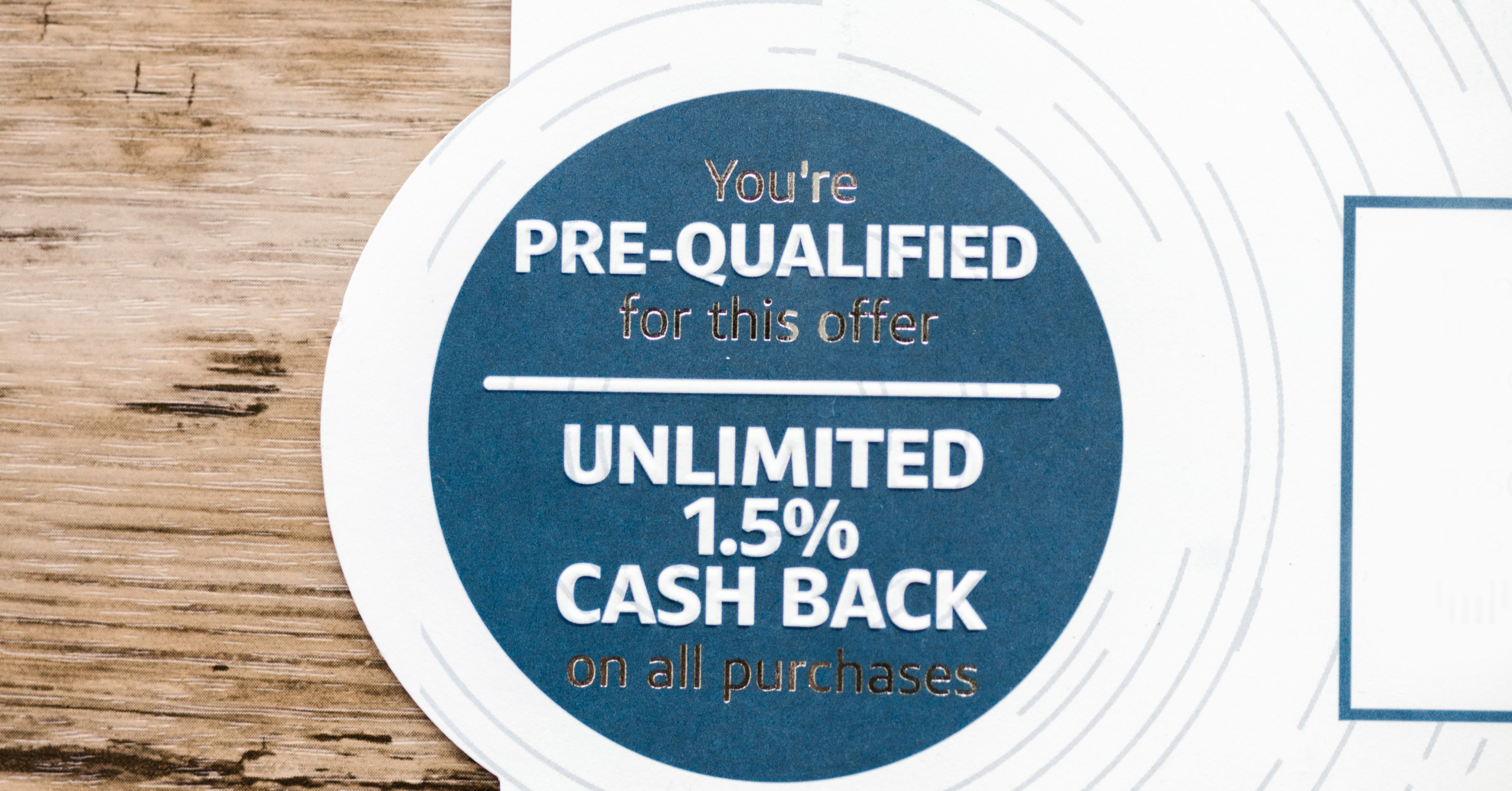
There’s a strange little contradiction sitting at the center of every cashback offer and rewards program: it’s marketed as a way to save money, and it almost always ends up costing you more than if it didn’t exist at all. This isn’t a flaw in the system. It’s the system working exactly as designed.
The Promise vs. The Mechanism
The pitch is simple and genuinely appealing: spend money you were going to spend anyway, get a percentage of it back. Five percent off groceries. Two percent cashback on everything. Reward points that convert into flights, gadgets, or more shopping. On paper, this looks like a straightforward win for the consumer, free money for behavior you’d have done regardless.
The problem is the phrase “behavior you’d have done regardless.” Reward programs don’t just sit passively under your existing spending habits. They actively reshape them, and the reshaping almost always points in one direction: more.
Why This Works on the Brain, Not Just the Wallet
A few well-documented psychological mechanics explain why cashback nudges spending upward rather than simply rewarding it.
Mental accounting separates “spending” from “saving.” Behavioral economists have shown that people don’t treat money as perfectly fungible the way classical economics assumes. A ₹500 cashback credit feels different from ₹500 in your salary, it gets mentally filed as a bonus, a win, something separate from your regular budget. That mental separation makes it far easier to spend that “free” money, or to justify a larger purchase, because some of it is being “covered” by the reward.
The reward reframes the purchase decision entirely. Without an offer, the question is “do I need this?” With a cashback offer attached, the question quietly shifts to “am I getting a good deal?” That’s a much easier question to answer yes to, and it’s a completely different decision than the one you’d have made without the incentive in the room. The deal becomes the justification, not the actual need for the product.
Variable, gamified rewards create their own pull. Points, tiers, and cashback percentages that increase with spending (spend more this month, unlock a higher tier next month) borrow directly from the same reward-loop psychology that makes blind boxes and loyalty games so effective elsewhere. The reward isn’t just financial, it’s a small hit of progress and achievement, which keeps people spending specifically to reach the next threshold rather than because they need the next purchase.
Loss aversion locks the behavior in. Once someone has accumulated points or cashback sitting in an account, there’s a pull to “use it” before it expires or loses value, which frequently means spending more to redeem a reward than the reward itself was worth. A ₹1,000 voucher that requires a ₹3,000 minimum spend to use isn’t a discount. It’s a spending requirement wearing a discount’s clothing.
The Real Economics Behind the Offer
It’s worth asking the obvious question: why would a company give money back at all if it didn’t make them more money? The answer is straightforward once you look at the unit economics.
Cashback is a customer acquisition and retention cost, not a gift. Companies model exactly how much they can afford to return based on the increased frequency, basket size, and loyalty the reward generates. If a 5% cashback program reliably increases average spending by more than 5%, the company comes out ahead even after paying out the reward. The math only needs to work in their favor by a small margin, and at scale, across millions of transactions, that margin is enormous.
Redemption friction is built in, deliberately. Many rewards come with expiry dates, minimum redemption thresholds, or are only usable on specific products or platforms. This isn’t an oversight, it’s a structural choice that increases the odds the cashback either goes unused (pure profit for the company) or gets redeemed in a way that requires additional spending to unlock.
Data is often worth more than the discount itself. Cashback and rewards programs require sign-ups, app downloads, and ongoing engagement. The resulting purchase data, what you buy, how often, what triggers a purchase, is valuable far beyond the cost of the cashback given out, letting companies refine targeting and pricing in ways that more than offset the reward.
A Few Recognizable Examples of the Pattern
Credit card cashback and the minimum spend trap. Many premium cashback cards require a minimum monthly or annual spend to unlock the advertised rate or avoid an annual fee. The card doesn’t just reward spending, it sets a target for it, and people frequently spend specifically to clear that threshold rather than because they needed to.
E-commerce flash sales paired with wallet cashback. A purchase that already feels discounted, paired with an additional cashback into a platform wallet, creates a compounding sense of savings that can push someone toward a larger cart than they’d intended, especially when the wallet cashback is only usable on that same platform, encouraging a return visit and another purchase to use it.
Food delivery and ride-hailing reward tiers. Apps that offer escalating rewards (free delivery after five orders, a discount that unlocks at a higher tier) train usage frequency directly. The reward isn’t really about the individual order, it’s about making the app the default choice often enough that the habit itself becomes the real product being sold.
Airline and hotel loyalty points. Points that take meaningful spending to accumulate, combined with redemption options that often require even more spending or have an expiry pushing for “use it or lose it” decisions, are one of the oldest versions of this mechanic, and one of the clearest examples of a reward shaping behavior over years rather than a single transaction.
Why This Isn’t Necessarily Deceptive, But Is Worth Being Aware Of
None of this means cashback and rewards programs are a scam or that using them is irrational. If someone was already going to make a purchase, capturing the cashback on it is a genuinely good use of an existing program. The issue isn’t the existence of the reward, it’s the quiet redirection of the decision-making process that happens once a reward enters the picture: a purchase that wouldn’t have happened, or a larger purchase than originally intended, gets reframed as smart, frugal behavior because part of the cost is being returned.
The clearest way to tell the difference in your own behavior is a simple test: would I be making this exact purchase, at this exact size, if there were no reward attached at all? If the honest answer is no, the reward isn’t saving you money. It’s the reason you’re spending it.
The Bigger Picture for Anyone Thinking About This as Marketers Too
For anyone on the business side of this dynamic, and given the range of marketing and brand work you do, this is genuinely worth understanding as a strategic tool, not just a consumer trap. The same mechanics that make cashback effective, mental accounting, threshold-based reward tiers, loss aversion around expiring credits, are deliberately engineered design choices, not accidents. Used transparently, they’re a legitimate growth lever. Used without restraint, they edge into the same territory as compulsive spending triggers, which is exactly the kind of thing that’s started drawing regulatory attention in adjacent categories like blind-box collectibles, where the same psychological mechanics are now facing scrutiny over their effect on consumer wellbeing.
The honest version of this pattern, designing a reward generous enough to genuinely benefit a customer’s existing behavior, without engineering it to manufacture new spending the customer didn’t actually want, is a much harder thing to build than a points system. But it’s also the version that builds durable trust rather than a slow-burning resentment once people notice the math wasn’t really in their favour.