
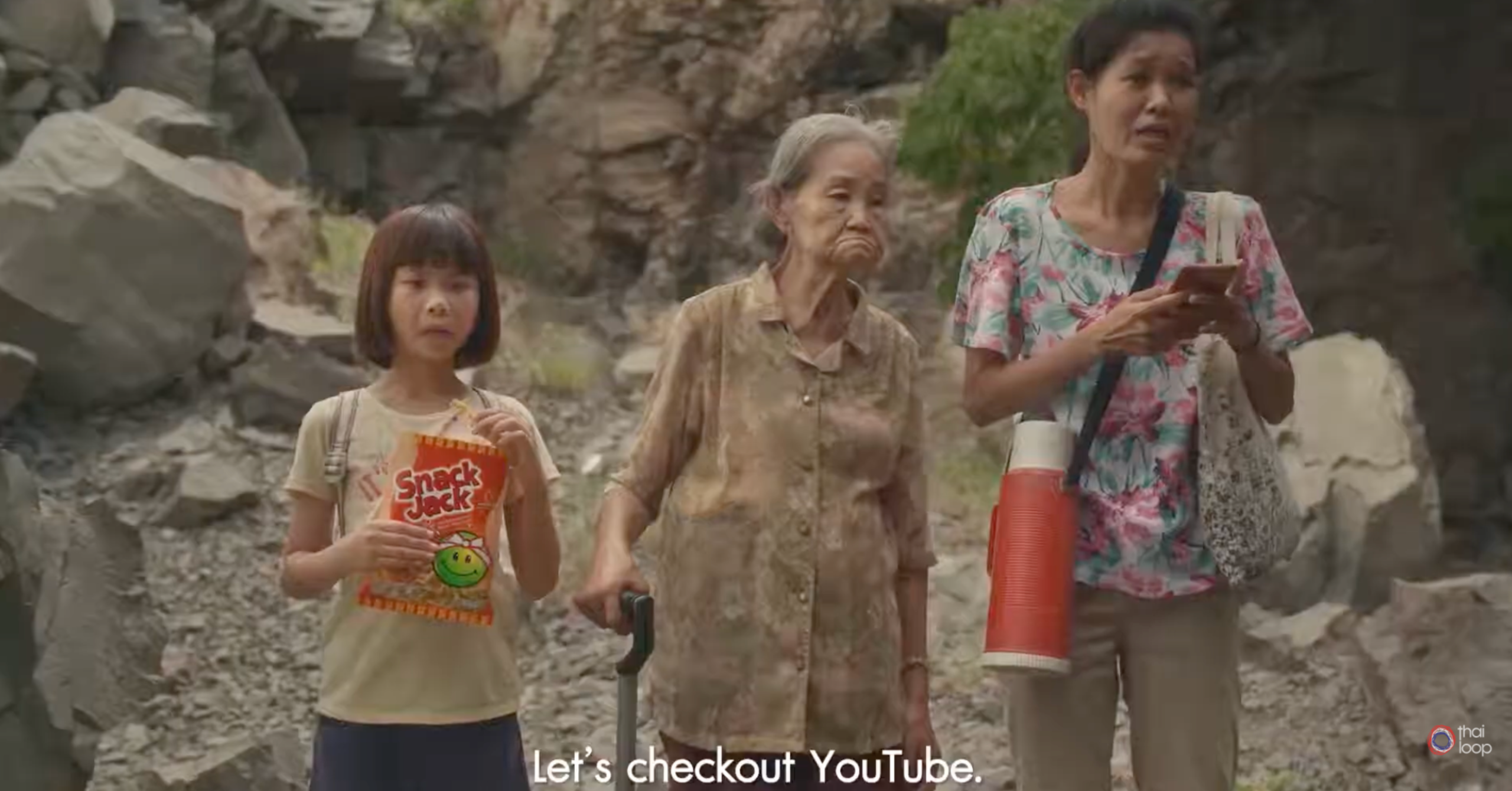
Why Thai Ads Are Some of the Best Storytelling in the World
If you’ve spent any time on YouTube in the last decade, chances are an algorithm has dropped a Thai commercial into your feed, and chances are you watched the whole thing, got emotional, laughed, or sat there confused about what brand it was even for. That confusion is, weirdly, the point.
Thailand’s ad industry has built an international reputation for commercials that don’t feel like commercials. They feel like short films. Some make you cry over life insurance. Some make you question reality over a fabric softener. The common thread is that Thai advertising treats attention as something to be earned through story, not interrupted with a pitch.
Here’s what makes them work.
Storytelling Comes First, Selling Comes Second
Most ads worldwide are built backward: identify the product benefit, then build a 30-second justification around it. Thai ads tend to flip this. They start with a human moment, often unrelated to the product on the surface, and let the brand message arrive as a quiet afterthought or a final-second twist.
A classic example is Thai Life Insurance’s “Unsung Hero,” which follows a man who quietly performs small acts of kindness throughout his day, feeding a stray dog, helping a struggling food vendor, giving up his seat, with no reward and no recognition. He ends the day broke and unnoticed. The insurance brand doesn’t appear meaningfully until the final moments, and even then, the message is about what genuinely makes a life worth insuring. It is less an ad and more a short film about decency, and it worked precisely because the brand resisted the urge to interrupt the story to remind you it exists.
This approach trusts the viewer to sit with discomfort, sadness, or tension for two or three minutes before any commercial intent surfaces. That’s a long time in ad-attention years, but it works because the story is genuinely good enough to hold you there.
The Twist Ending Is Almost a Genre Convention
Thai ads are famous for a structural trick: spend most of the runtime building toward what looks like one kind of story, then pull the rug out in the last ten seconds with a reveal that recontextualizes everything you just watched. Sometimes that twist is emotional. Sometimes it’s a punchline. Sometimes it’s both.
This isn’t just a gimmick, it’s a deliberate use of narrative misdirection that mirrors how short fiction or stand-up comedy works. The setup earns trust, the payoff rewards attention, and the brand becomes inseparable from the “aha” moment rather than something bolted onto a finished story.
Absurdity and Surreal Humor as Attention Engineering
Alongside the tearjerkers, Thailand also produces some of the most gleefully bizarre advertising on the planet. Brands like the energy drink and insurance company Pretty Suparada or various local FMCG players have run campaigns that escalate into pure chaos: exaggerated physical comedy, surreal scenarios, characters reacting with operatic intensity to mundane problems like bad breath, dandruff, or a clogged drain.
This absurdist style works for a specific reason: it’s built for a crowded, skippable media environment. A five-second pre-roll window means an ad has roughly that long to make someone NOT skip. Surreal, escalating chaos, a man wrestling his own shadow, a ghost judging someone’s skincare routine, a talking gecko negotiating insurance premiums, creates immediate visual novelty that a straightforward product shot never could. The humor isn’t incidental either; it’s often a deliberate strategy to make a low-interest, everyday category (cleaning products, snacks, insurance) memorable through sheer unexpectedness.
The exaggeration also serves a sneaky storytelling function: it externalizes an internal problem. Instead of telling you a product “fights stains,” the ad shows stains as a literal physical antagonist trying to destroy someone’s day. That’s a much easier thing to remember and laugh about later.
The Format: Long-Form, Mini-Movie Structure
Most markets cap branded content at 15 or 30 seconds. Thai brands frequently go to 2, 3, even 5 minutes, structured almost like a complete short film: setup, rising tension, climax, resolution, brand reveal. This is partly a YouTube-era format choice (it’s built to be shared and watched voluntarily, not just aired during a commercial break) and partly cultural, Thai audiences have shown a real appetite for melodrama and emotionally rich narrative in their entertainment generally, and advertising borrows that appetite directly.
This longer runtime allows for:
Slow-burn emotional builds rather than rushed sentimentality
Full character arcs, even for ads about dish soap or instant noodles
Visual pacing that resembles film grammar (lingering shots, score-driven emotional beats) rather than ad grammar (quick cuts, constant product shots)
A Few More Worth Knowing
“Speech Jar” (Thai Life Insurance) follows a young girl raised by a struggling single father; it builds an entire emotional arc around a simple act of saving money in a jar, again landing its brand message only in the closing seconds.
CP All / 7-Eleven and various telecom ads lean into the absurdist, comedic end of the spectrum, often turning everyday inconveniences into slapstick set pieces.
Dtac and AIS telecom campaigns have used the “wholesome story with a sentimental twist” format extensively, particularly around themes of family, distance, and reconnection.
Why It Works as Marketing, Not Just Filmmaking
The real lesson for marketers outside Thailand isn’t “make people cry” or “make people laugh,” it’s that narrative structure itself can be the differentiator in a market where every brand technically offers a similar product. When the story is strong enough to be shared organically, watched to completion, and remembered emotionally, the brand recall that follows is far stickier than anything achieved through repetition or interruption-based advertising.
Thai advertising essentially bet early that people don’t hate ads, they hate boring ads, and built an entire industry style around never being boring.